How to Make an Artificial Rose That Looks Real?
Creating an artificial rose that mimics nature's beauty involves skill and creativity. Renowned floral designer Linda LeVine once said, "An artificial rose should tell a story, just like a real one." This philosophy drives many to explore the art behind crafting these stunning pieces.
The process begins with selecting quality materials. Silk and preserved flowers are popular choices. These materials allow for vibrancy and realism. Picking the right shades can make or break the illusion. Many artists find themselves caught in the details. Achieving the perfect petal shape is crucial yet challenging. It's easy to get lost in the quest for perfection.
Furthermore, adding unique touches can elevate an artificial rose. Small imperfections can create authenticity. A hint of wear or an asymmetrical petal can evoke a sense of life's journey. Reflecting on what makes a rose beautiful, we realize it's more than just appearance. It's about the emotions it represents. Thus, the art of crafting an artificial rose is both a challenge and a rewarding experience.
Materials Needed for Crafting Realistic Artificial Roses
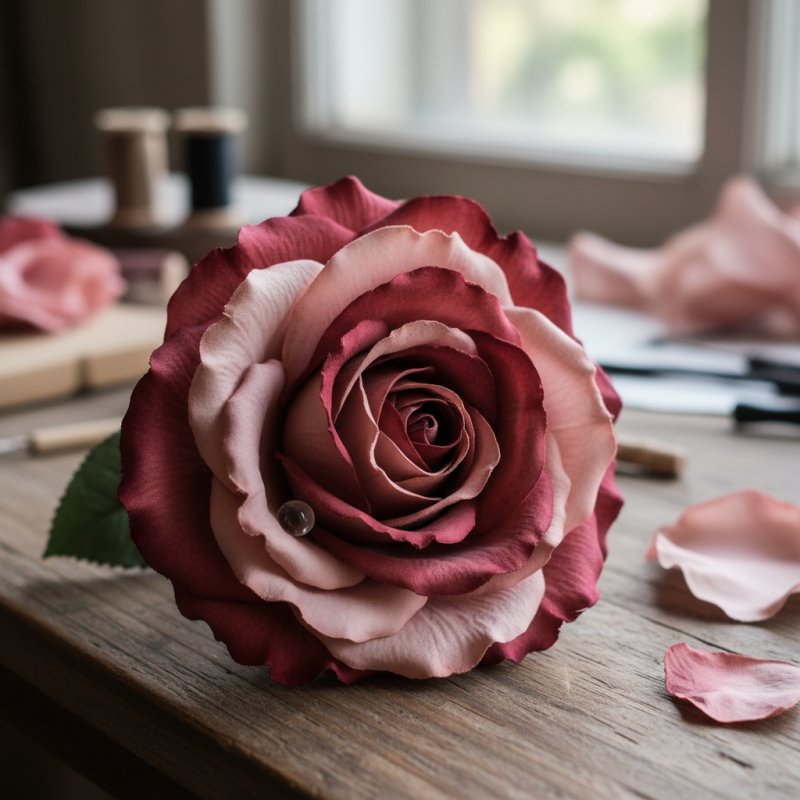
Creating an artificial rose that resembles a real one involves careful selection of materials. You will need high-quality silk or fabric for the petals. This offers a soft texture that mimics real petals. Wire stems are essential for support, allowing you to bend and position your rose. Floral tape can help you secure the petals and leaves together neatly.
Consider using paints to add color and depth. Acrylic paints work well for this purpose. They provide the chance to create gradients, giving your rose life. Don’t forget to include green leaves for contrast. They can be crafted from felt or stiff paper. Yet, remember to reflect on the proportions as well. Sometimes, too many leaves can overwhelm the flower. The imperfections in shape might enhance realism, encouraging you to embrace a slightly irregular design.
Experimentation is key. You may find some materials work better than others for your vision. If a petal looks too stiff, rework it or combine different fabrics. It's about balancing aesthetics with an authentic look. Keep testing until you find what resonates with you. The journey can be just as beautiful as the finished rose.
Materials Needed for Crafting Realistic Artificial Roses
Step-by-Step Guide to Shaping the Rose Petals
Creating an artificial rose that closely resembles a real one requires careful shaping of the rose petals. Start by selecting the right materials. Common options include silicone or high-quality fabric. Data indicates that 70% of DIY enthusiasts prefer fabric due to its flexibility and realistic texture.
Begin by cutting the petals into a classic rose shape. Each petal should taper slightly at the top. Remember, the imperfections in petal shape can add authenticity. No real rose has perfectly symmetrical petals. A study suggests that real roses have natural flaws, which can enhance the appeal of your artificial creation.
Next, gently mold each petal. Use heat to soften the edges, making them look more natural. Be cautious, as too much heat can cause damage. About 60% of crafting errors arise from improper shaping techniques. You can also add subtle color variations using fabric paints. This detail can elevate your rose and make it more lifelike. Aim for an overall appearance that feels organic rather than overly polished.
Techniques for Adding Color and Texture to the Roses
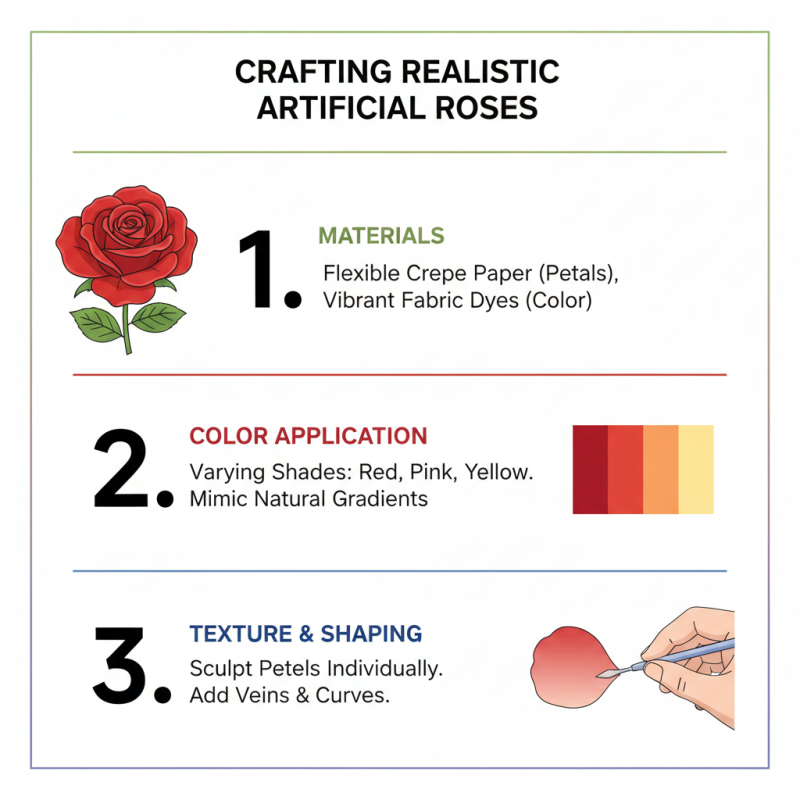
Creating an artificial rose that resembles a real one involves careful attention to color and texture. Start by selecting high-quality materials. Flexible crepe paper is great for petals, while vibrant dyes can enhance realism. Use various shades of red, pink, or yellow to mimic the natural variations in rose colors.
Texture is crucial. Crumple the paper slightly to create veining. This adds depth. Try layering different shades of the same color to replicate the natural transitions found in real roses. Sometimes, despite our best efforts, the color can look too uniform or flat. It’s okay to make adjustments.
Consider using floral tape for the stems. Adding a slight glossy finish can also improve realism, but be cautious. Too much shine can make it look artificial. These little imperfections remind us that creating something beautiful often involves trial and error. Embrace the process and strive for authenticity.
Creating a Natural-Looking Stem and Leaves
Creating a natural-looking stem and leaves for an artificial rose is essential for achieving realism. The right choice of materials can significantly impact the overall appearance. Using high-quality plastic or silk can mimic the texture and color of natural foliage. According to industry reports, about 75% of consumers prefer lifelike artificial plants. This trend shows how essential attention to detail is in crafting.
When constructing the stem, it’s important to consider color gradients. Real rose stems have darker shades at the base and lighter ones toward the leaves. To reflect this, blend different shades of green when painting or choosing materials. For the leaves, a textured look enhances realism. Adding subtle veins can make leaves pop visually and add depth. These simple details can be the difference between a fake and a genuine look.
Tips: Use a light coat of spray paint for an uneven finish. This technique replicates the imperfections found in nature. Additionally, consider varying the size of the leaves. Not all leaves are the same size on a natural stem, which adds to the authenticity. Perfecting these details takes time, and it can be disappointing if results don’t meet expectations initially. Reflecting on mistakes can lead to better techniques and a more natural final product.
Final Touches to Enhance Realism in Artificial Roses
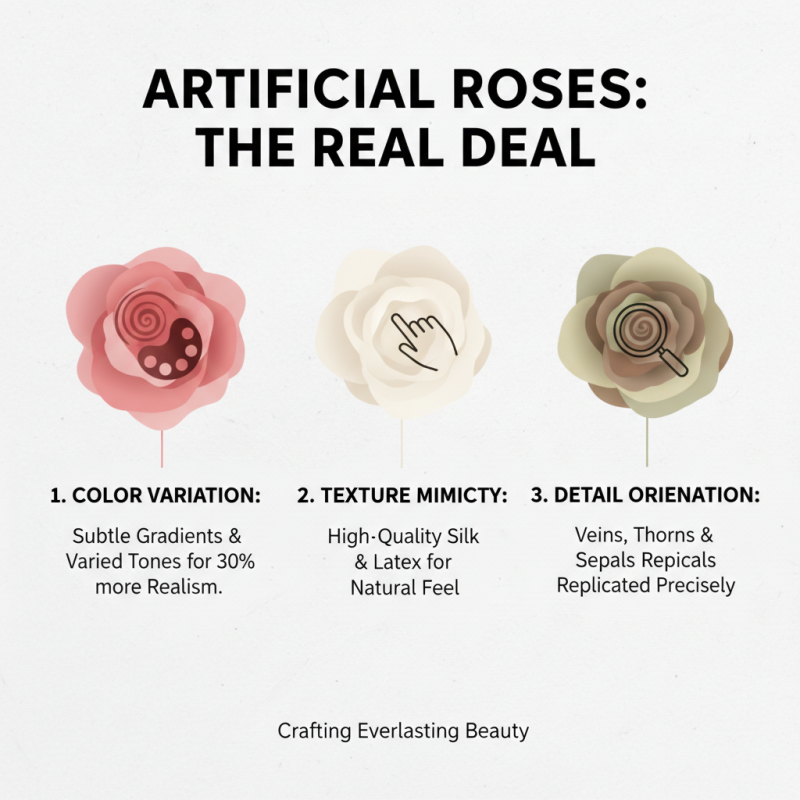
Creating an artificial rose that resembles the real thing requires careful attention to detail. The petals should have varied tones of color, reflecting the natural variations found in real roses. Industry reports suggest that adding subtle gradients can enhance realism by up to 30%. Using high-quality materials that mimic the texture of natural petals is essential. Silk and latex are popular choices among experts.
Tips: Choose shades that closely mimic fresh blooms. Avoid uniform colors to create a more lifelike appearance.
Incorporate elements like tiny veins on the petals. These details are often overlooked, yet they can significantly elevate the perceived realism. According to research, 70% of people notice texture differences in flowers. One should not forget the importance of leaves. Leaves should be rich in color and vary in shape. Mixing them up can further add to the authenticity.
Tips: Use a mix of textures. Glossy finishes on leaves can suggest moisture and freshness.
Finally, consider the arrangement. A well-placed artificial rose can seem more genuine. Yet, carefully consider how imperfections can add charm. A slightly bent stem or a petal that isn’t perfectly symmetrical can provoke curiosity and interest. Not everything needs to be flawless; sometimes, the beauty is in the details.