How to Choose the Best Artificial Grasses for Your Needs?
Selecting the right type of Artificial Grasses is vital for both aesthetics and functionality. The landscape industry in the United States has experienced a significant shift, with artificial turf sales projected to reach around $3 billion by 2026, according to recent market analysis reports. Homeowners and businesses seek durable, low-maintenance solutions that mimic natural grass while standing up to various weather conditions.
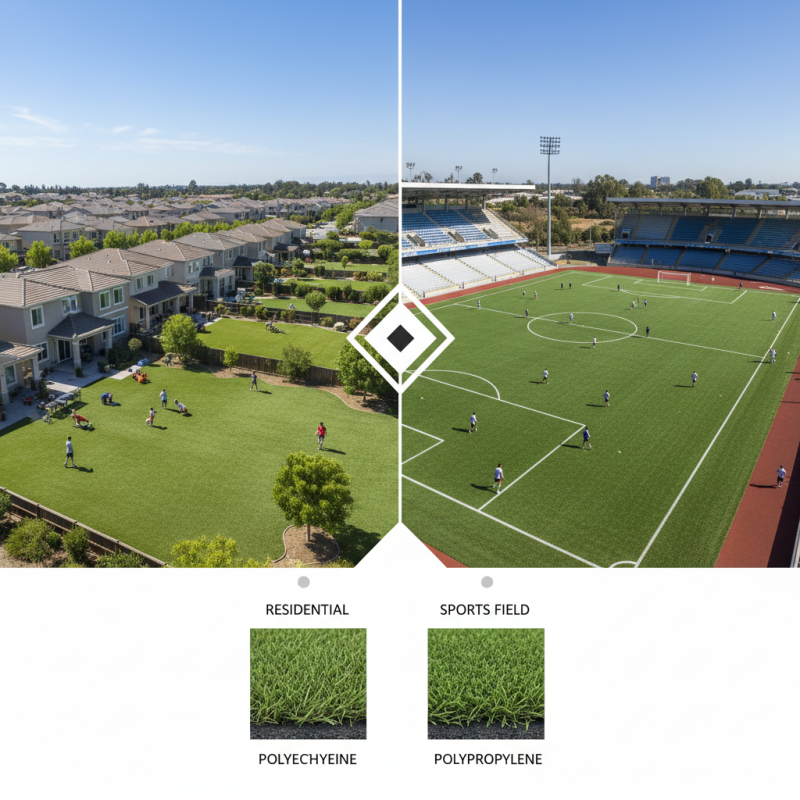
Several factors influence the choice of Artificial Grasses. The quality of materials plays a crucial role in longevity and appearance. For instance, polyethylene and polypropylene are common materials, each offering unique benefits. An informed decision can protect your investment from fading and wear. However, not all brands provide the same level of quality or durability. It's essential to evaluate product warranties and customer reviews for better insight.
Different applications demand different types of artificial grass. For sports fields, performance and safety are paramount. Residential lawns may focus more on aesthetic appeal and child-friendliness. Careful consideration of these factors can lead to better outcomes. Yet, it is easy to overlook specific needs initially. Understanding your unique requirements is key to finding the perfect solution.
Factors to Consider When Choosing Artificial Grass
Choosing artificial grass can feel overwhelming. Many factors contribute to the ideal selection. One crucial aspect is the purpose of the grass. Is it for a lawn, a playground, or a pet area? Each use has specific needs. For example, areas with high foot traffic require durable materials. Opt for grass with a high density to ensure it withstands wear.
Another important factor is the climate. Different regions experience varied weather patterns. Some artificial grasses may fade under intense sunlight. Others might not drain well in heavy rain. Understanding local conditions helps in selecting a suitable type. Check UV stability ratings and drainage features before finalizing your choice.
Don’t forget about installation and maintenance. Some products require specialized installation, while others are user-friendly. Consider how much time you can dedicate to upkeep. Low-maintenance options are appealing for busy homeowners. Yet, sometimes these easier choices might lack the aesthetic desired. It’s essential to find a balance that meets your preferences and practical needs.
How to Choose the Best Artificial Grasses for Your Needs? - Factors to Consider When Choosing Artificial Grass
| Factors |
Description |
Recommendation Level |
| Pile Height |
The length of the blades of grass which affects the look and feel. |
Medium to High |
| Material Quality |
Types of fibers used, typically polyethylene, polypropylene, or nylon. |
High |
| UV Resistance |
The ability to withstand sun exposure without fading or degrading. |
High |
| Drainage |
Effective drainage systems to prevent water pooling. |
Medium |
| Texture |
The feel of the grass underfoot, which can vary between soft and firm. |
Medium to High |
| Infill Material |
Materials used for stability and cushioning, e.g., sand or rubber. |
Medium |
| Maintenance Requirements |
Level of care needed to keep the grass in good condition. |
Low to Medium |
| Color Variations |
Different shades and colors to simulate natural grass. |
Medium |
Types of Artificial Grass and Their Specific Uses
When choosing artificial grass, it's essential to understand the different types available. Each type serves specific purposes and environments.
For instance, landscape grass is designed for home gardens or yards. This type often has a realistic look and feels soft underfoot. It requires minimal maintenance, which is a bonus for busy homeowners. Sports grass, on the other hand, is engineered for durability. It can withstand heavy foot traffic and harsh weather conditions, making it ideal for sports fields.
Tips: Consider the sunlight exposure of your chosen area. Some grass types perform better in shaded locations. Also, evaluate the foot traffic levels. For high-traffic areas, opt for stronger materials that can endure wear and tear.
Another type is pet grass, specifically designed for homes with pets. This grass is often treated to resist odors and can be easily cleaned. Its drainage system helps prevent unpleasant smells after rain or cleaning.
Tips: Look for grass with a high infill level for proper drainage. This feature is crucial for keeping the area clean and fresh. Additionally, think about your pet's comfort. Some grasses may feel harsher than others, affecting their playtime.
Comparative Analysis of Different Types of Artificial Grass
This chart displays the comparative performance ratings of different types of artificial grass based on various criteria. Ratings are on a scale of 1 to 10, with higher values indicating better performance in that category.
Evaluating Durability and Weather Resistance of Artificial Grasses
When selecting artificial grasses,
durability
and weather resistance are crucial factors.
These characteristics can significantly affect the longevity of your investment.
Look for materials that withstand UV rays. Prolonged sun exposure can degrade lower-quality materials rapidly.
High-quality synthetic fibers retain their color better, resisting fading from sunlight.
Consider environmental conditions during the evaluation process.
Areas with heavy rainfall or snowfall require grasses that can drain well.
Poor drainage leads to mold growth and unpleasant odors.
Also, wind resistance is vital.
Strong winds may shift loose or lightweight grasses, making them look uneven or poorly placed.
Explore different textures and densities of artificial grass.
Thicker blades often offer better durability against foot traffic.
However, they might be less forgiving in warmer climates where heat retention is a concern.
You may need to weigh the balance of aesthetics and practicality,
especially in high-traffic areas.
Don't forget that maintaining artificial grass also plays a role in its resilience.
Regular grooming helps keep it looking fresh while extending its lifespan.
Cost Considerations for Different Artificial Grass Options
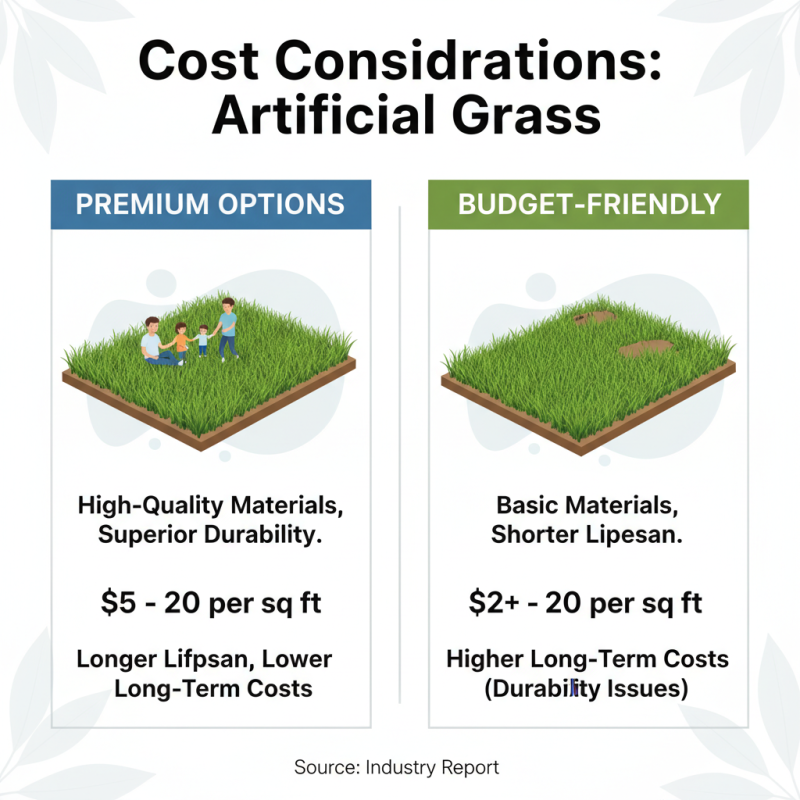
When choosing artificial grass, cost is a primary factor. The price of synthetic turf varies significantly based on materials, quality, and installation requirements. According to a recent industry report, high-quality options can range from $5 to $20 per square foot. Conversely, budget-friendly choices may start around $2 per square foot. While lower initial costs may seem attractive, they can lead to higher long-term expenses due to durability issues.
Installation costs also play a crucial role. Professional installation can add $1 to $4 per square foot. DIY installation might save money, but improper setup can lead to complications. Some reports suggest that nearly 30% of DIY installations result in issues such as uneven surfaces and drainage problems. These complications can not only cost more to fix later but also diminish the lifespan of the grass.
Additionally, maintenance costs should not be overlooked. While artificial grass generally requires less upkeep than natural lawns, specific treatments might still be necessary. For instance, infill top-ups and cleaning solutions can add ongoing expenses. A study by the Synthetic Turf Council noted that routine maintenance contributes to a total annual cost range of $200 to $500, depending on yard size and product type. Balancing initial costs with these ongoing expenses is essential for making an informed decision.
Maintenance Requirements for Various Artificial Grass Types
When selecting artificial grasses, maintenance is a significant factor to consider. Different types of artificial grass have varying upkeep requirements that can impact your long-term satisfaction. For example, some grasses require routine brushing to stand upright, while others are designed to resist matting and minimize the need for this maintenance.
According to a report by the Synthetic Turf Council, proper maintenance can extend the lifespan of your lawn by up to 20%.
Another important aspect is infill. Infill materials can attract debris and require occasional top-ups to maintain performance. For instance, rubber infill is efficient at drainage but may need more frequent cleaning compared to sand infill, which tends to blend better with the grass fibers.
On average, the cost of maintaining artificial grass ranges from $0.50 to $2.00 per square foot annually, varying by type and location.
Pest control is another consideration. Some environments may require regular treatment to prevent issues like mold or insects. Regular inspections can help you catch problems early, but they add to the maintenance workload.
Balancing these factors will help you choose the best artificial grass for both your aesthetic and practical needs. Assessing these specifics will guide your decision and highlight potential pitfalls in your choice.