How to Choose the Best Imitation Flower for Your Needs?
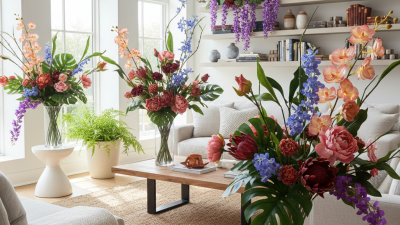
Choosing the right Imitation Flower can transform your space. With countless options available, it’s essential to consider your needs. An Imitation Flower should reflect your style and suit its intended environment.
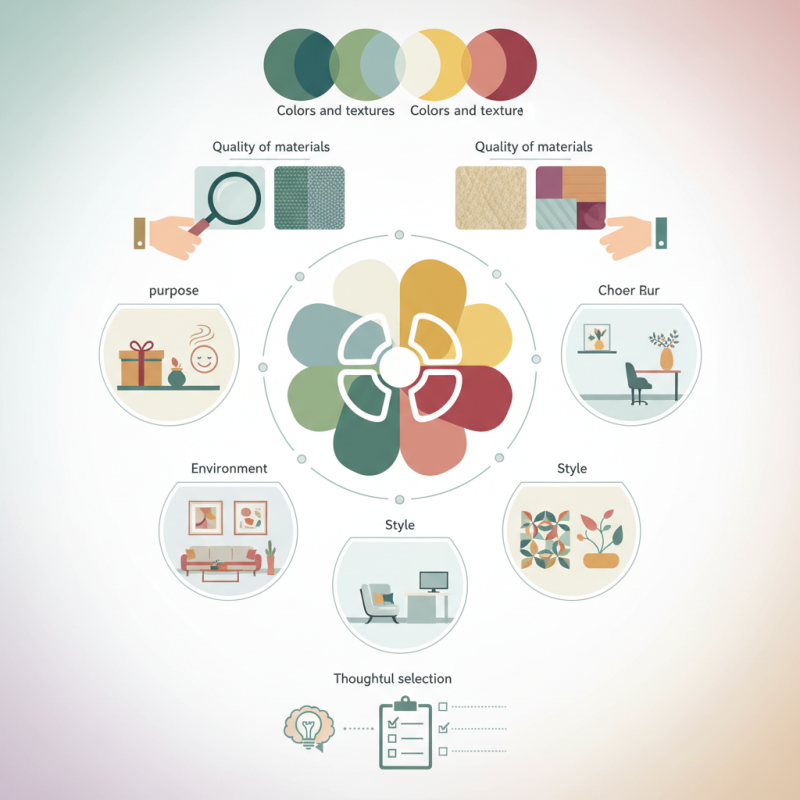
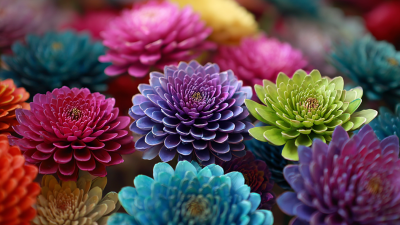
When selecting an Imitation Flower, think about colors and textures. Some may look too artificial, while others may capture a realistic charm. It's crucial to find a balance. Assess the quality of materials used, as this can affect longevity. Cheap options may fade quickly or look less appealing.
Moreover, consider the purpose of the Imitation Flower. Is it for decoration, gifting, or enhancing a mood? Sometimes, the wrong choice can lead to disappointment. Reflect on how it fits into your overall decor. Not every flower will work in every space. Take time to make thoughtful selections, ensuring your choice adds value.
Factors to Consider When Selecting Imitation Flowers
When choosing the best imitation flowers, several factors are essential. Understanding material quality is crucial. For instance, silk and polyester are common options. Reports indicate that silk flowers hold their shape better over time. In contrast, while polyester flowers may offer vibrant colors, they can fade in direct sunlight. This information draws from industry analyses showcasing the durability of silk versus synthetic materials.
Color and realism play significant roles in selection. Many people prefer flowers that mimic natural blooms. Research from floral design communities suggests that shades closest to the natural flower breed enhance visual appeal. Seasonality also matters; certain flowers are associated with specific seasons. Reports suggest that consumers often favor seasonal arrangements, even if they are artificial.
Finally, consider the intended use of the flowers. For event decorations, the focus may be on aesthetics over durability. However, for long-term display, investing in higher-quality materials pays off. An informal survey indicates that about 40% of buyers regret not investing in better imitation flowers. Looking closely at these factors can guide you to a suitable choice for your needs.
Types of Materials Used in Imitation Flower Manufacturing
When selecting imitation flowers, the material used is crucial. Various materials impact not only the aesthetics but also the durability. Common options include
silk,
plastic, and
foam. Each has its own unique characteristics and effects on appearance.
Silk flowers offer a soft, realistic look. They resemble real petals and come in vibrant colors. However, they can fade in direct sunlight. Plastic flowers are more durable and resistant to the elements. They are easy to maintain but often lack the realism of silk. Foam flowers are lightweight and can mimic the texture of fresh blooms. Still, they may not hold up as well outdoors.
Choosing the right material for your needs involves understanding your environment. If indoor decoration is your goal, silk may shine. For outdoor settings, plastic is likely more suitable. Consider the space and lighting. Each material presents pros and cons, requiring thoughtful reflection on the decision.
Assessing Realism and Aesthetic Appeal of Imitation Flowers
When choosing imitation flowers, realism and aesthetic appeal are key factors. Assess your space and personal taste. Note the colors and shapes that resonate with you. Pay attention to the flower's texture and weight. A realistic flower often feels slightly heavy. This adds to its lifelike charm.
**Tips:** Look for petals that have subtle variations in color. Ideal imitation flowers mimic the natural imperfections found in real blooms. Faded edges or slight wrinkles enhance visual interest. Also, consider the type of flower you want. Some flowers are inherently more realistic than others in their imitation forms.
Evaluate the arrangement too. Clusters can often look more natural. Use varying heights and textures to create depth. Don’t be afraid to mix different types of imitation flowers. This can reflect a more organic look. Remember, perfection isn’t necessary. Embrace an arrangement that genuinely resonates with you, even if it's not “perfect.”
How to Choose the Best Imitation Flower for Your Needs?
| Imitation Flower Type |
Realism Level |
Aesthetic Appeal |
Durability |
Price Range |
| Silk Roses |
High |
Very Good |
Excellent |
$15 - $30 |
| Polyester Lilies |
Medium |
Good |
Good |
$10 - $25 |
| Fabric Tulips |
High |
Very Good |
Excellent |
$20 - $40 |
| Plastic Orchids |
Low |
Fair |
Good |
$5 - $15 |
| Latex Sunflowers |
Medium |
Good |
Very Good |
$12 - $22 |
Choosing the Right Size and Arrangement for Your Space
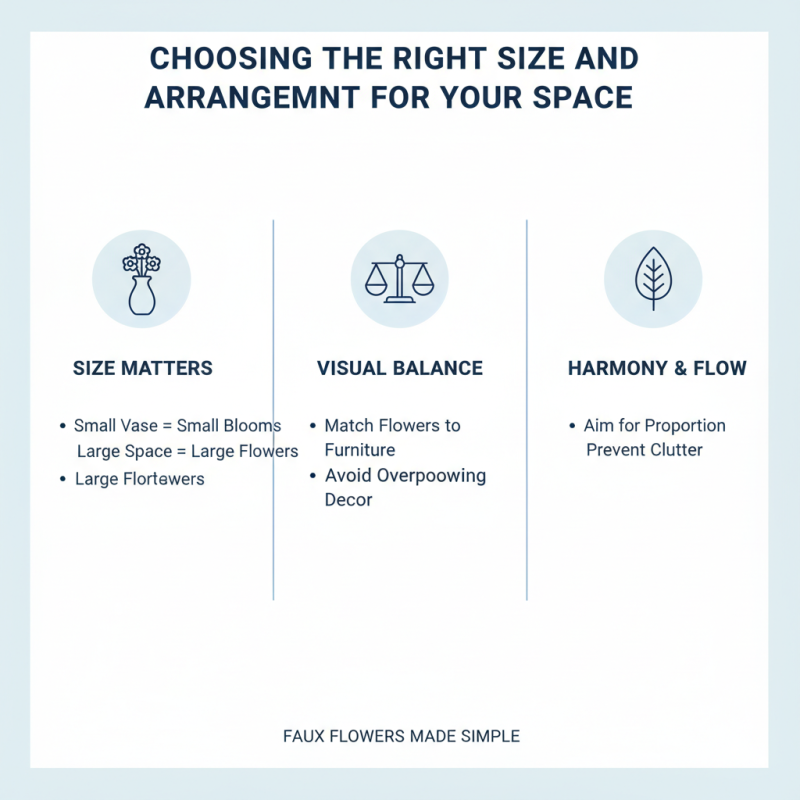
When choosing imitation flowers, size and arrangement are crucial. A small vase may not hold large blooms well. Similarly, oversized flowers can overwhelm a modest shelf. You should visually balance the flowers with the surrounding furniture and decor. Aim for harmony and avoid clutter.
Consider your space. A large dining table can showcase a big centerpiece. However, a compact living room might benefit from a simple arrangement. Pay attention to height as well. Tall stems can draw the eye upward, making ceilings seem higher. Shorter arrangements work better on lower surfaces, creating a cozy feel.
Explore various combinations. Mixing different heights and textures adds interest. It’s important to remember that not every arrangement is perfect. Sometimes, less is more. Take time to experiment with placements before settling on a final design. Adapting as you go will ensure the flowers enhance your space beautifully.
Maintaining and Caring for Imitation Flowers for Longevity
Imitation flowers can be a lasting addition to any space, provided they are cared for properly. Regular dusting is essential. Use a soft cloth or a gentle handheld vacuum to keep them clean. This simple task can prolong their aesthetic appeal significantly. Many experts recommend a weekly cleaning routine to prevent dust accumulation. Dust can obscure their beauty and can lead to a less vibrant appearance.
In addition to regular cleaning, it’s important to consider the environment. Exposure to direct sunlight can fade even the highest quality imitation flowers. Placing them in shaded areas helps maintain their original colors. A research report indicates up to 40% of consumers have noticed color fading in artificial flowers due to UV exposure. This statistic emphasizes the need to choose wisely about placement.
For long-term durability, consider the material of the flowers. High-quality silk and plastic flowers resist wear and tear better than cheaper alternatives. Many consumers struggle to judge quality without hands-on experience. Therefore, examining reviews or seeking expert advice from designers can be beneficial. Although imitation flowers can seem flawless, small imperfections can add charm and authenticity. Embracing these unique traits allows for a more personalized decor choice.
Comparison of Imitation Flower Types and Their Care Requirements