How to Choose the Best Artificial Flowers Leaves for Your Needs?
Choosing the right Artificial Flowers Leaves can be a daunting task. Renowned floral designer Emily Carter states, "The beauty of artificial foliage lies in its choice." With numerous options available, understanding what suits your space is essential.
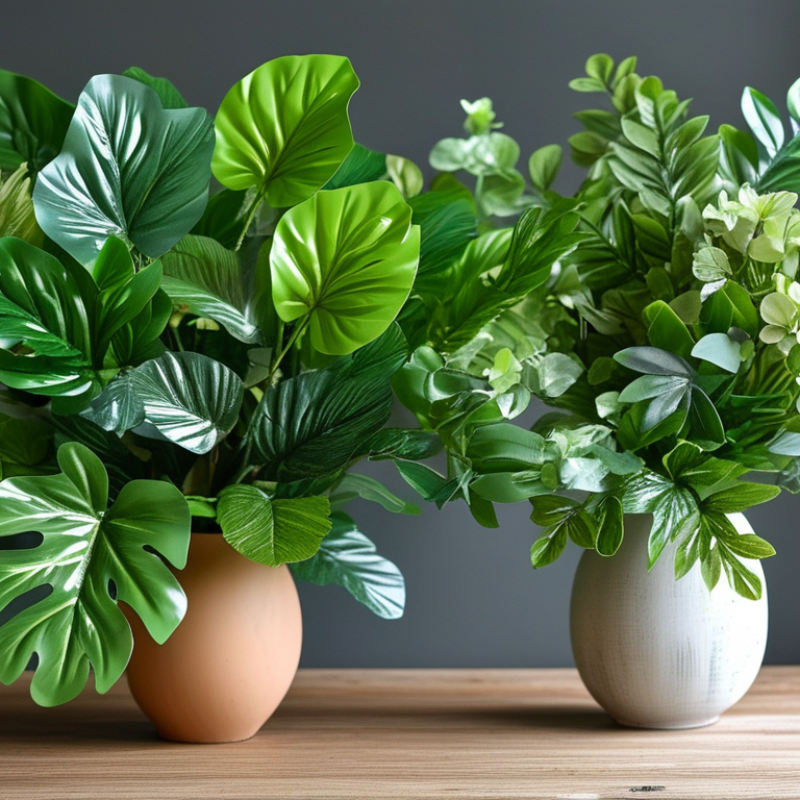
Not all Artificial Flowers Leaves are created equal. Quality can vary greatly. Factors like material, color, and realism play critical roles. Details matter; a vibrant green leaf can transform a room. However, subpar materials might fade or lose shape over time.
This exploration into Artificial Flowers Leaves helps you make informed decisions. A careful selection can enhance your decor. Remember that your choice reflects your personal style. Consider the intention behind your selection, as well as the environment in which it will be placed. Embrace the beauty, yet remain mindful of the imperfections that may arise.
Understanding the Different Types of Artificial Flowers and Leaves
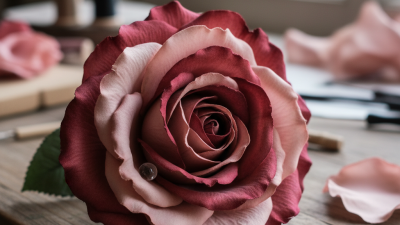
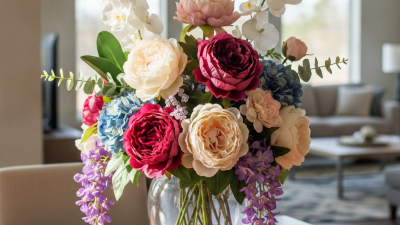
When selecting artificial flowers and leaves, it's essential to understand the different types available. Silk flowers are popular due to their realistic appearance and texture. They can mimic the soft petals of real blooms, adding elegance to any arrangement. However, they may require occasional cleaning to maintain their beauty.
Plastic flowers, on the other hand, are more durable and weather-resistant. They are suitable for outdoor displays but often lack the realism of silk. Consider using them in less visible areas or mixed with silk flowers to create depth.
Foamed materials are also gaining traction. They provide a softer feel and can be shaped easily, affording endless creative options. Choosing the right type depends on your setting and personal style. Reflect on the atmosphere you wish to create. Some artificial plants are quite vivid, while others may look slightly artificial. Examining how they fit within your space can guide your decision. Remember to think beyond aesthetics; function and longevity matter too.
Evaluating Material Quality and Durability for Artificial Plants
Choosing the right artificial flowers and leaves involves careful consideration of material quality. The materials affect both appearance and longevity. Common options include silk, plastic, and latex. Each has its own benefits and drawbacks. For instance, silk often looks more realistic, but it can wear out faster. Plastic is durable but may not provide the same visual appeal.
Another critical factor is durability. Assess how well the materials withstand various conditions. Will they be indoors, exposed to sunlight, or humidity? Some materials fade or become brittle over time. Choosing a product that suits your environment is vital. Consider the texture and weight, too. A heavier leaf may indicate better quality.
Checking reviews can guide your decision. Look for feedback on how well these flowers hold up over time. Be cautious of overly polished reviews; genuine experiences often share imperfections. Examining the details in these evaluations reveals insights you might overlook otherwise. It's essential to reflect on your specific needs and preferences when selecting materials for your artificial plants.
Determining the Right Size and Style for Your Decor Needs
When selecting artificial flowers and leaves, size and style are critical factors affecting your decor. A recent survey indicates that 58% of people prefer arrangements that mirror the scale of their space. For instance, large leafy plants can dominate a room, while smaller bouquets can add subtle elegance. Understand your surroundings to find the right balance.
Consider the existing color palette in your home. Reports show that colors affect mood and perception. Choosing shades that complement your walls can enhance the harmony of a space. For example, soft pastels can create a calm atmosphere, while bold colors can invigorate a room. Selecting the right style, like modern minimalist or rustic, also plays a vital role in achieving a cohesive look.
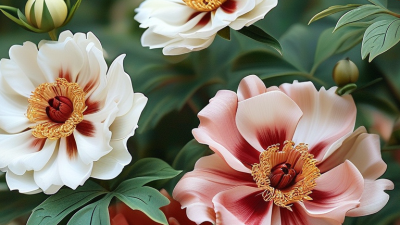
Additionally, the texture of artificial leaves matters. Many people overlook this aspect, yet it can create depth. High-quality synthetic materials that mimic natural textures are more appealing than overly glossy finishes. The goal is to achieve a lifelike appearance. Sourcing reliable suppliers is essential, as not all products deliver the same quality. Therefore, thorough research and hands-on inspection may yield surprising insights into your choices.
Considering Colors and Seasonal Relevance in Your Selection
Choosing artificial flowers that reflect the right colors and seasonal relevance can enhance any space. Industry reports indicate that about 70% of consumers prefer flowers that align with seasonal themes. In spring, soft pastels are popular, while autumn embraces warm tones like ochre and burgundy. Matching colors to the season helps create an inviting atmosphere, making artificial flowers a preferred choice for decorators and event planners alike.
When selecting leaves, consider their texture and color combination. Lush green leaves evoke a sense of freshness, while dried, darker hues can add depth in fall designs. Research shows that well-designed artificial floral arrangements can last up to five years, retaining their color and appeal. However, not all products are created equal. Some may fade or lose shape, prompting the need for careful selection. Keep in mind the specific lighting of your area; bright spaces may enhance certain colors while dulling others. By understanding these nuances, you can create stunning arrangements that stand the test of time.
Assessing Maintenance Requirements for Artificial Flowers and Leaves
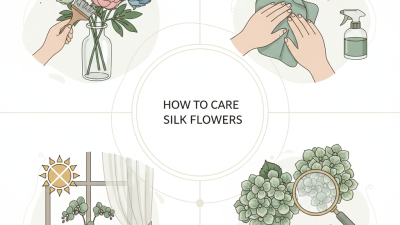
When choosing artificial flowers and leaves, consider their maintenance requirements. Some materials are easier to clean than others. For example, silk flowers may require gentle dusting, while plastic options can simply be wiped down. Evaluating how much time you want to spend on upkeep is crucial. If you prefer a low-maintenance option, opt for materials that can withstand a quick rinse.
Tips: Look for artificial plants with removable leaves. This feature allows you to clean them easily. Also, check for UV-resistance if you plan to place them outdoors. Sun exposure can fade some materials faster than others, leading to an uneven appearance.
Timing your maintenance is important too. Regularly inspect your artificial flowers for dust accumulation. A quick once-over with a soft cloth can keep them looking fresh. If you notice any discoloration, it could be time for a deeper clean or a replacement. Remember to reflect on your choices and adapt as needed. Not every artificial flower will suit your environment perfectly.