2026 Top Trends in Artificial Flowers for Home Decoration and Events?
As we approach 2026, the world of artificial flowers is evolving rapidly. This industry, once seen as simple decor, now embraces innovation and creativity. Jenny Wilson, a leading expert in artificial flowers, states, "The future of home decor lies in the beauty of permanence that artificial flowers provide." Her words resonate as we explore how these floral designs redefine spaces.
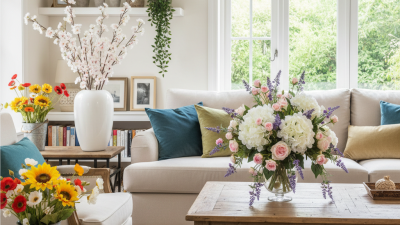
Artificial flowers have become essential for home decoration and events, blending style with practicality. They offer unmatched versatility. Unlike real flowers, they require no water or sunlight, making them a hassle-free choice. The variety available is astounding. From lifelike peonies to vibrant orchids, there is a perfect match for every aesthetic.
As trends evolve, it’s crucial to reflect on the impact of these faux designs. Are they losing their charm among consumers? There is a growing concern that the market may become oversaturated with similar designs. This highlights the need for creativity and uniqueness in the industry. The vibrant world of artificial flowers challenges us to think differently about decor. Embracing their beauty requires appreciation for both nature and man-made artistry.
Innovative Materials Used in 2026 Artificial Flower Production
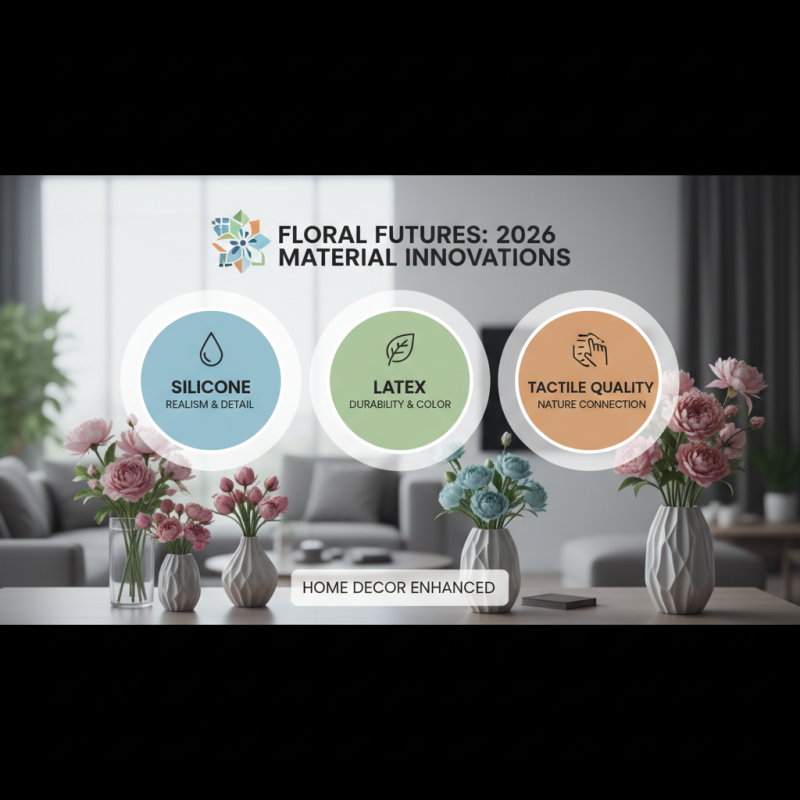
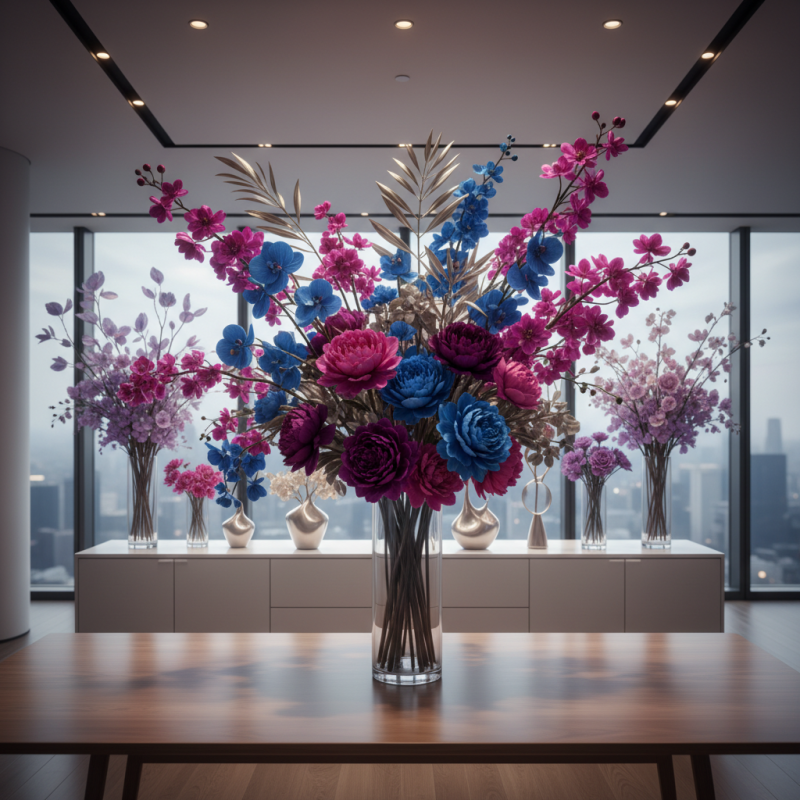
In 2026, artificial flowers are seeing a surge in innovative materials. These new fabrics offer realism and durability. Silicone and latex are leading the way. They allow for intricate details and vibrant colors. The tactile quality resembles natural blooms closely. This connection to nature enhances home decor.
Eco-friendly materials are also gaining attention. Recycled plastics are being transformed into stunning floral designs. This shift makes a positive environmental impact. However, some consumers question the longevity of these materials. Will they stand the test of time? It's a concern worth pondering.
In event decoration, the trend towards customization is prevalent. Creators are experimenting with bio-based materials. These can mimic the essence of real flowers. Still, there is a fine balance needed between aesthetics and sustainability. Designers are learning, sometimes the best option is not always the most visually appealing. The conversation around materials is complex, but it’s moving forward.
Sustainable Trends in Artificial Flowers for Eco-Friendly Decor
As we move into 2026, the trend of incorporating sustainable artificial flowers in home decor and events is gaining momentum. Eco-friendly materials are becoming standard in the production of these decor items. Recyclable plastics and biodegradable fabrics are popular choices. These materials help reduce pollution and waste, contributing to a greener planet. Many appreciate the aesthetic appeal of flowers without the environmental impact.
The charm of faux flowers lies in their versatility. They offer endless design possibilities. However, the challenge remains in ensuring these flowers look genuinely real. Some designs still appear too artificial. Striking a balance between realism and sustainability can be tough but is necessary for ethical decor. People want beauty that lasts but with an awareness of ecological footprints.
Homemakers and event planners are increasingly seeking ways to align their choices with eco-conscious values. By choosing sustainable artificial flowers, they take a step toward better environmental practices. The journey toward fully sustainable options is not without its struggles. Authenticity in appearance must be paired with eco-friendliness. Balancing these aspects can lead to innovative decor solutions that reflect our growing commitment to the environment.
Color Palette Predictions for Artificial Flowers in Home and Events
As we look ahead to 2026, the color palette for artificial flowers is evolving significantly. A recent industry report shows that soft pastel tones are gaining popularity, particularly shades of lavender and blush pink. These colors evoke a sense of calm and elegance, making them ideal for home decor and events. A notable trend is the combination of muted tones with vibrant touches, such as deep emerald greens or bright coral accents. This mix creates visual interest while still maintaining a sophisticated look.
Another emerging color trend is the use of earthy tones, including terracotta and taupe. These colors resonate with the growing movement towards biophilic design, which emphasizes a connection to nature. Consumers increasingly desire home spaces that reflect natural elements. Data indicates that over 70% of homeowners prefer floral arrangements that incorporate these grounded colors. This shift may suggest a desire for warmth and comfort, especially in social spaces.
However, not all trends resonate universally. Some may find these colors limiting or predictable. The balance between vibrant and muted can feel challenging to achieve. It raises questions about individual expression versus trend adherence. As the artificial flower industry adapts, consumers seek authenticity. A fresh take on classic arrangements is necessary to satisfy diverse tastes. Exploration of unconventional color basics remains a vital part of the discussion.
2026 Top Trends in Artificial Flowers for Home Decoration and Events
| Trend |
Color Palette |
Suitable Events |
Material Preferences |
| Sustainable Designs |
Earth Tones, Natural Greens |
Weddings, Eco-friendly Events |
Recycled Materials |
| Bold & Vibrant |
Bright Pinks, Deep Blues |
Parties, Festivals |
Silk, Velvet |
| Monochromatic Themes |
Shades of the Same Color |
Corporate Events, Formal Dinners |
Synthetic Fabrics |
| Textured Arrangements |
Pastel Shades, Soft Neutrals |
Brunches, Baby Showers |
Mixed Materials |
| Classic Elegance |
White, Cream, Gold |
Weddings, Anniversaries |
High-Quality Fabrics |
Market Growth Statistics and Consumer Preferences for Artificial Flowers
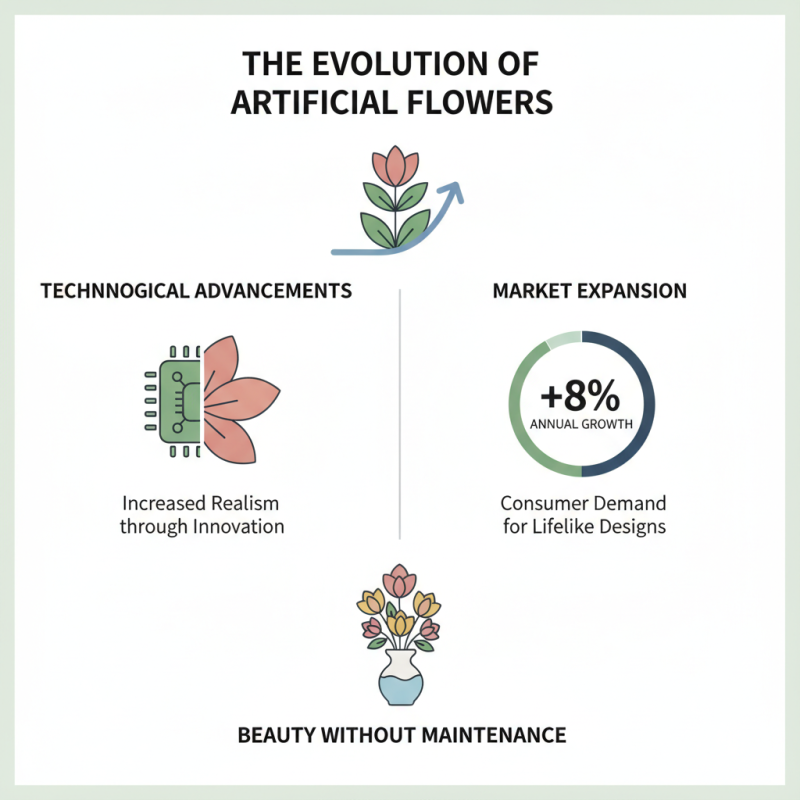
The market for artificial flowers has seen significant growth recently. Consumers appreciate the convenience and long-lasting nature of these products. Sales figures in 2025 highlighted a surge in demand, particularly for home decoration and events.
Homeowners often seek unique designs. Many prefer vibrant colors and realistic textures. Surprisingly, not all consumers are happy with the available options. Some feel that many designs lack authenticity. Challenging the notion of perfection, many artificial flowers can appear overly glossy or unnatural. This feedback highlights the need for improvement in design authenticity.
Events also showcase the rising popularity of artificial flowers. Weddings and parties increasingly feature these items due to their versatility. However, some planners express concerns about the overall aesthetic. They argue that, at times, artificial blooms cannot replace the charm of fresh flowers. Balancing convenience and authenticity remains a key challenge for this growing market.