2026 Top Artificial Flowers Trends for Global Buyers?
As the global market evolves, artificial flowers are becoming increasingly popular among consumers. Expert floral designer Sarah Johnson, known for her unique creations, once said, "Artificial flowers allow us to bring nature indoors without the hassle of maintenance." This insight reflects a growing trend where aesthetics and convenience meet.
In 2026, trends in artificial flowers will likely emphasize sustainability and realism. Buyers seek innovative designs that mimic the beauty of real blooms while being eco-friendly. Designers are exploring materials that don’t just look good but also feel natural. The significance of color will also play a major role. Vibrant hues can evoke emotions and enhance spaces, making artificial flowers a preferred choice.
However, with the rise in demand, it's crucial to remain authentic. Some consumers are skeptical about artificial flowers lacking the essence of real ones. Striking a balance between beauty and authenticity becomes a challenge. As we explore these trends, the question arises: How can the industry maintain credibility while meeting consumer desires? This contemplation will guide us through the dynamic landscape of artificial flowers in the coming years.
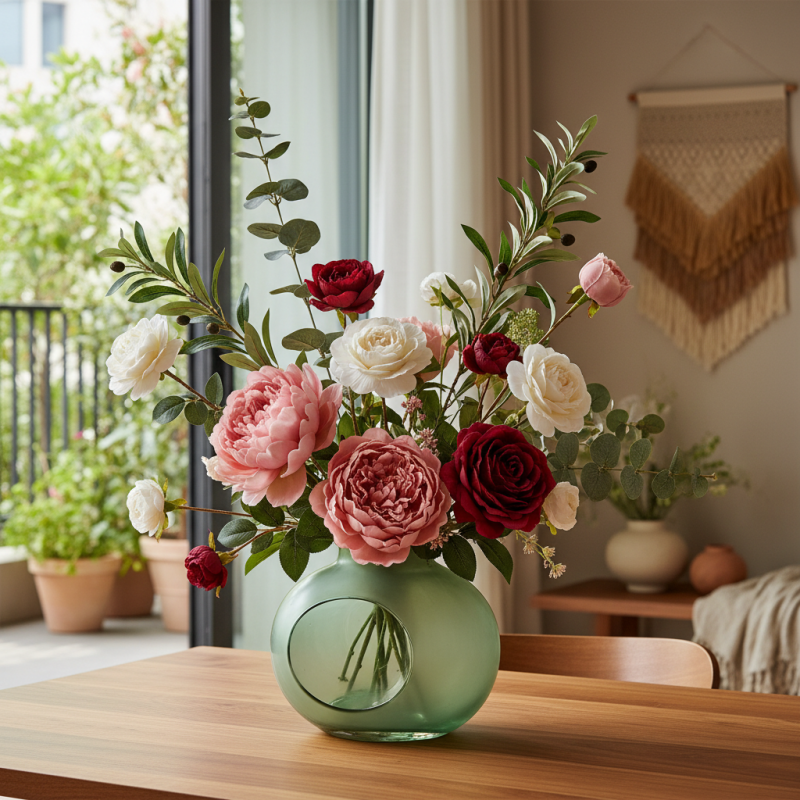
Emerging Materials for Artificial Flowers in 2026
As we look towards 2026, the world of artificial flowers is set to embrace innovative materials. Emerging technologies will transform how these flowers are crafted, focusing on sustainability. Eco-friendly options will likely gain traction among buyers seeking environmentally responsible choices.
One promising material is biodegradable plastics. These materials can mimic the texture and look of real flowers. They offer a realistic appearance while reducing environmental impact. Additionally, advancements in 3D printing techniques allow for intricate designs not feasible with traditional production methods. The flexibility of 3D printing enables customization, catering to diverse buyer preferences.
Furthermore, using recycled textiles for petals can add a unique touch. This method fosters creativity while promoting waste reduction. These developments show a commitment to sustainability but may spark debate over authenticity. Will artificial flowers maintain their allure with these changes? It's a question worth considering as the industry evolves. The balance between innovation and tradition is delicate yet critical.
Innovative Designs Influencing Artificial Flower Trends
The artificial flower industry is evolving, driven by innovative designs that captivate global buyers. Recent reports indicate that the global market for artificial flowers is projected to reach $2.5 billion by 2026. This surge reflects a growing demand for aesthetically pleasing, low-maintenance decor options. Designers are focusing on realistic textures and vibrant colors, mimicking nature’s beauty in a way that transcends traditional designs.
Current trends highlight the use of sustainable materials in crafting artificial flowers. Consumers are increasingly conscious of their environmental impact. Reports show a 30% increase in demand for eco-friendly options over the past year. Innovations such as biodegradable materials and recycled plastics are gaining traction. However, the challenge remains to ensure that these materials do not compromise quality and appearance. Achieving the right balance between sustainability and visual appeal is an ongoing struggle for manufacturers.
Customization is another trend shaping today's market. Personalization allows customers to create unique floral arrangements that suit their preferences. Statistics reveal that customized artificial flower products have seen a 25% uptick in sales. Yet, this shift calls for efficient production processes and inventory management. It poses a challenge for companies striving to meet individual demands while maintaining cost-efficiency. The art of artificial flowers continues to evolve, but reflection on these challenges is essential for future growth.
2026 Top Artificial Flowers Trends
This chart showcases the projected popularity of different artificial flower trends in 2026 based on global buyer preferences.
Sustainability Practices in the Artificial Flower Industry
As the demand for artificial flowers rises, sustainability practices are becoming crucial in the industry. Recent reports indicate that the global artificial flower market is projected to reach $2.5 billion by 2026. This growth places a significant emphasis on eco-friendly production methods. Companies are starting to explore biodegradable materials and recyclable options. However, progress in these areas often feels slow and inconsistent.
There are various sustainability certifications available, but not all manufacturers adhere to them. A survey revealed that only 30% of artificial flower producers currently implement green practices. This discrepancy highlights a gap that needs addressing. Consumers are increasingly aware and concerned about their purchases’ environmental impact. They seek products that align with their values. Yet, brands often struggle to meet these expectations.
The challenge lies not just in sourcing materials sustainably, but also in ensuring the entire production process minimizes waste. Many factories still rely heavily on traditional processes, which can be harmful to the environment. While some companies experiment with innovative practices, the majority play catch-up. The disparity suggests a need for industry-wide standards and greater transparency. Here lies a significant opportunity for brands to lead in ethical production.
Market Demand for Customizable Artificial Floral Arrangements
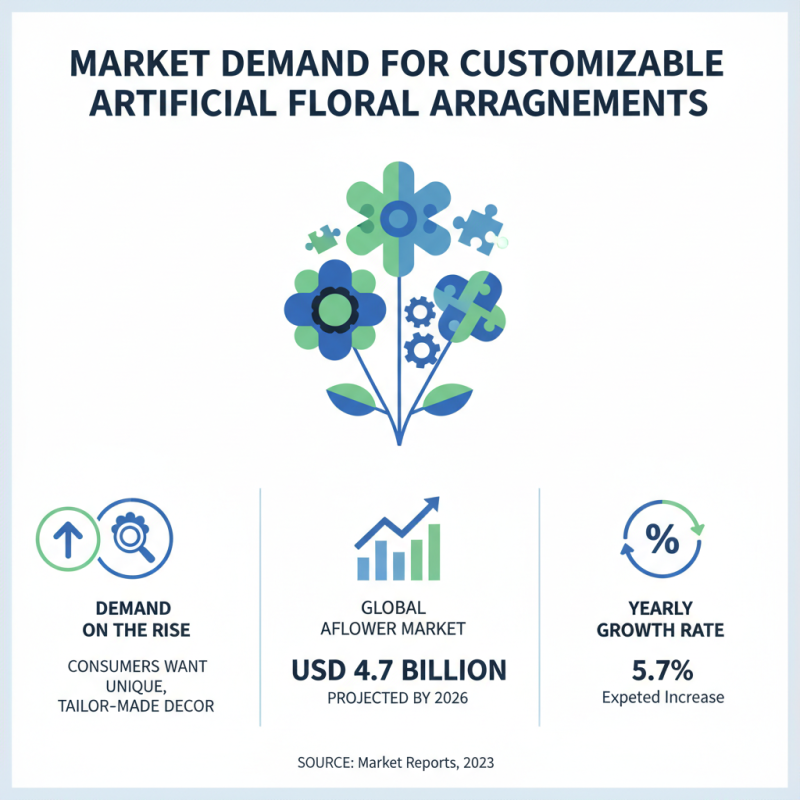
The demand for customizable artificial floral arrangements is on the rise. Reports show the global artificial flower market is projected to reach USD 4.7 billion by 2026, indicating a yearly growth rate of about 5.7%. This trend stems from consumers seeking unique, tailor-made solutions for their decor needs.
Customization allows customers to choose colors, shapes, and sizes, which often resonates with their personal style. A study found that 62% of buyers prefer arrangements that reflect their individuality. People appreciate the versatility of artificial flowers. They serve various purposes, from home decorations to event planning. Additionally, they require less maintenance than natural flowers.
However, the industry faces challenges in balancing aesthetics and sustainability. Some artificial flowers utilize non-biodegradable materials, raising environmental concerns. Buyers are becoming more aware and are demanding eco-friendly options. As the market evolves, manufacturers must innovate to meet these expectations while ensuring quality and design diversity.
Global Cultural Influences on Artificial Flower Preferences in 2026
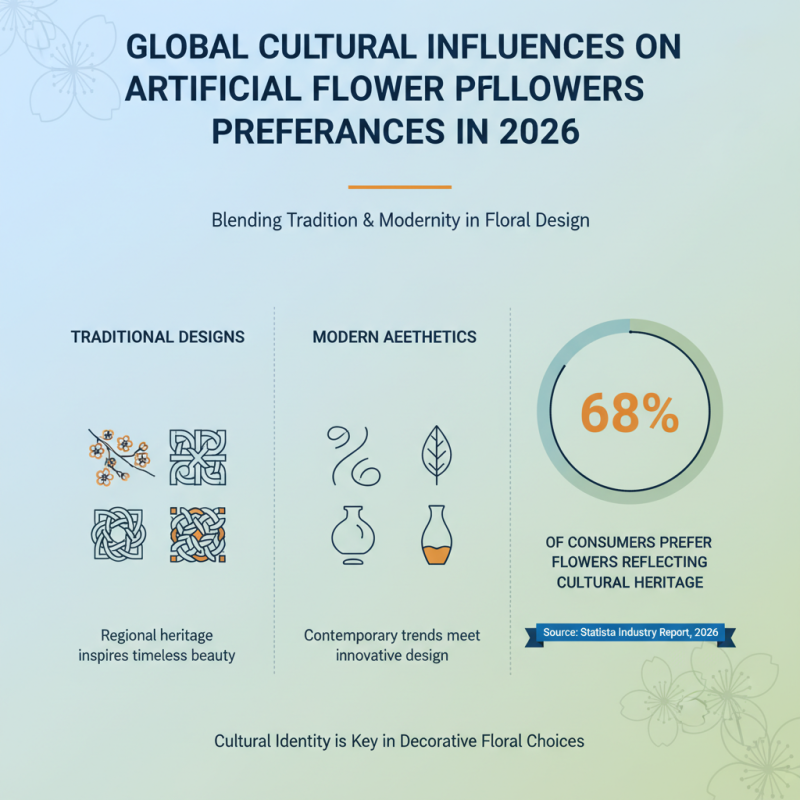
In 2026, global cultural influences will shape the preferences for artificial flowers. Traditional designs from various regions will blend with modern aesthetics, creating unique trends. For instance, a recent industry report from Statista highlights that 68% of consumers prefer flowers that reflect their cultural heritage. This statistic emphasizes the significance of cultural identity in picking decorative floral arrangements.
Particular styles will dominate the market. For example, Scandinavian simplicity will contrast with the vibrancy of Asian designs. A study by the International Floral Association reveals that 55% of buyers favor minimalist artificial flowers for home décor. This indicates a shift towards practicality and elegance, meeting the needs of urban dwellers seeking convenience. However, some consumers may still cling to ornate designs that evoke nostalgia.
As these trends evolve, manufacturers will need to reflect on sustainability. Reports indicate that 45% of consumers express concerns over environmental impact. This data suggests a potential clash between tradition and modern eco-consciousness. It's crucial for the industry to find a balance. The outcome will depend on how well these cultural influences are integrated into sustainable practices, ensuring both aesthetic appeal and environmental responsibility.